

Pelagrilli is one of the few places where the Tamanti name can be found on the land more than a century before the survey of about 1820. In 1692 a podere called Pelagrilli belonged to a “Tamanti Dr.” In the 1820 survey, the brothers Ermenegildo and Antonio Tamanti di Filandro held a large block of land in the Pelagrilli section.
Pelagrilli in 1692
Lucia Bonelli Conenna’s reconstruction of the Sienese countryside at the end of the seventeenth century lists six Tamanti poderi in the commune of Montalcino in 1692. Pelagrilli is one of the five assigned to “Tamanti Dr.” (Bonelli Conenna, Il contado senese alla fine del XVII secolo, 1990, pp. 162–166). The source does not name the doctor. The strongest candidate is Dr Jacomo Cosimo Tamanti (1649–1710), who would have been about forty-three, but that identification still has to be tested against the original tax declaration.
Pelagrilli in 1820
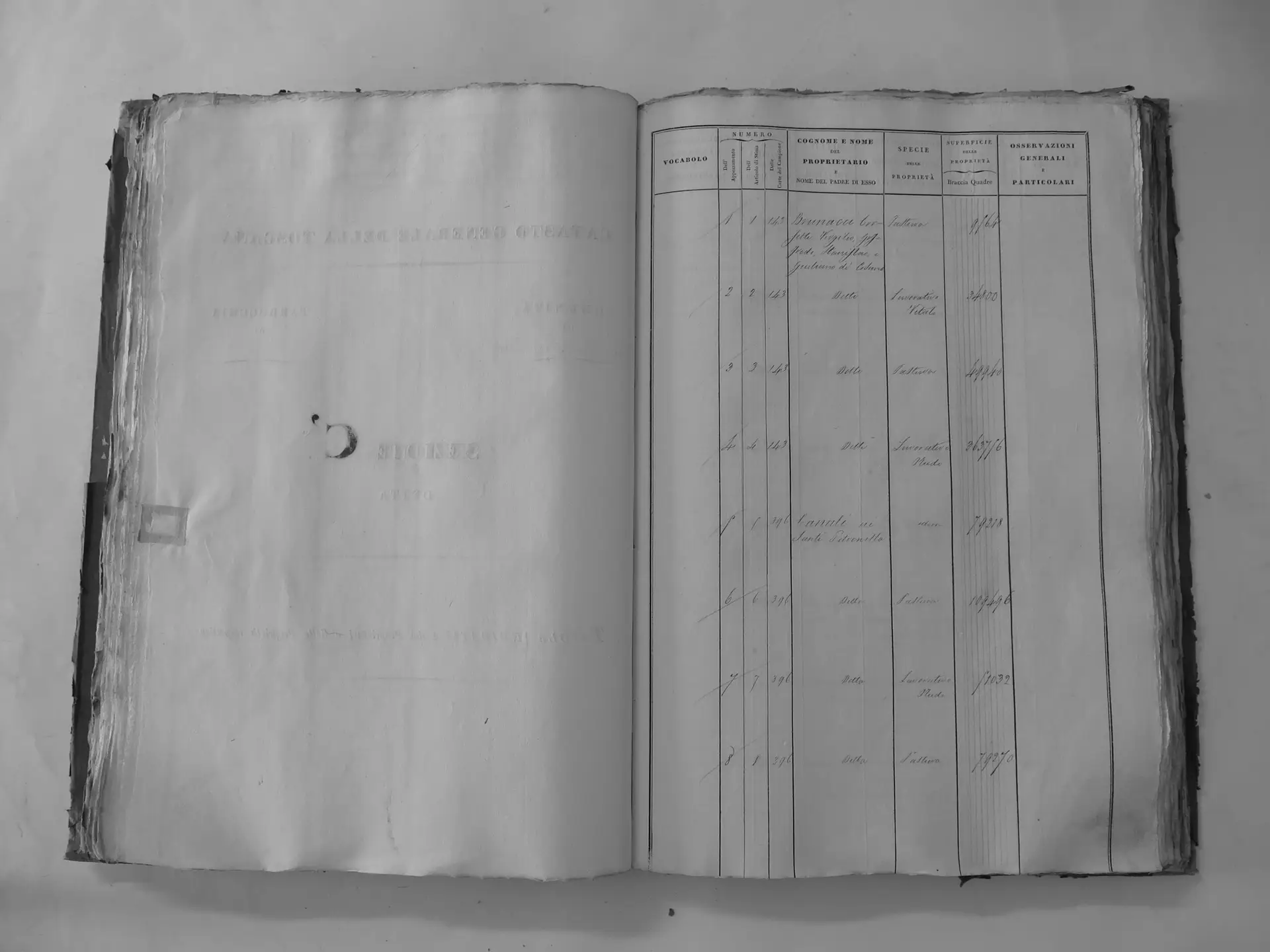
In section C′, Pelagrilli, the owner tables attribute about 45 parcels, spread between numbers 9 and 149, to “Ermenegildo e Antonio Tamanti di Filandro.” (See the Tavole indicative, Tomo II p. 110, p. 111, p. 112, p. 113, p. 114, p. 116, p. 117 and p. 118.) The entries include a farmhouse, a hut, vines and pasture. The block has not been totalled in hectares, but at around 45 parcels it was one of the brothers’ larger holdings, along with Il Casato and Romitorio.
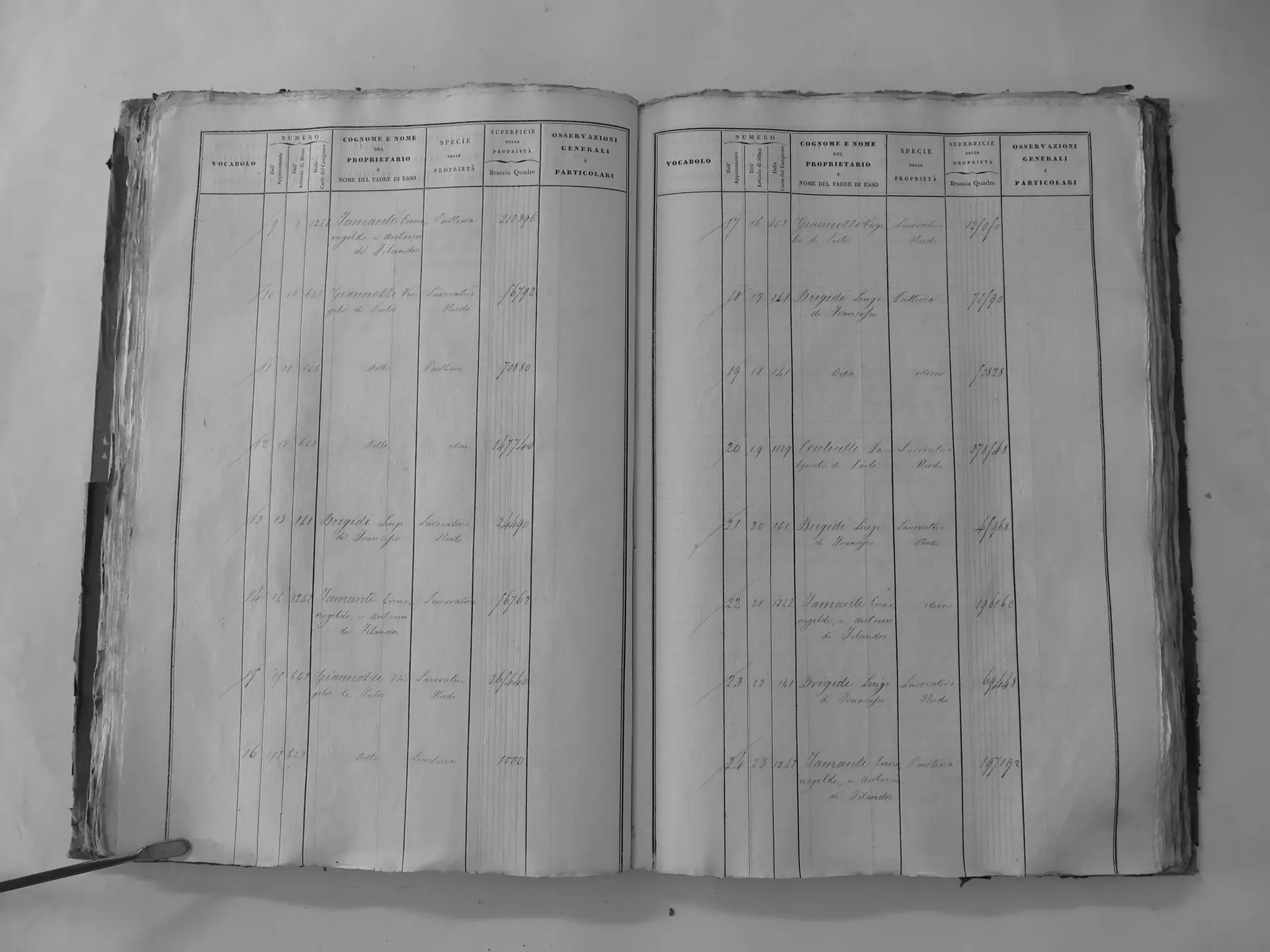
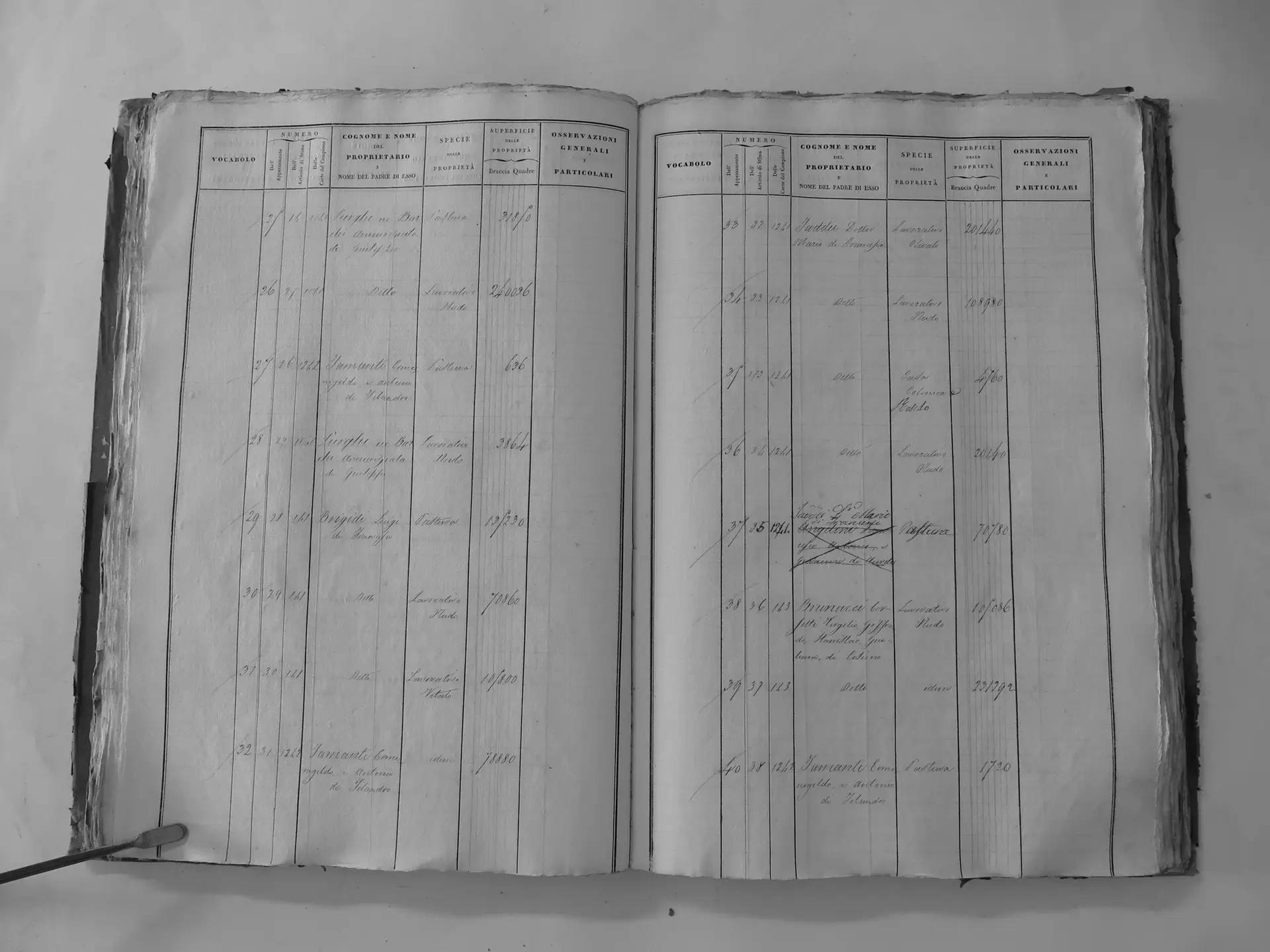
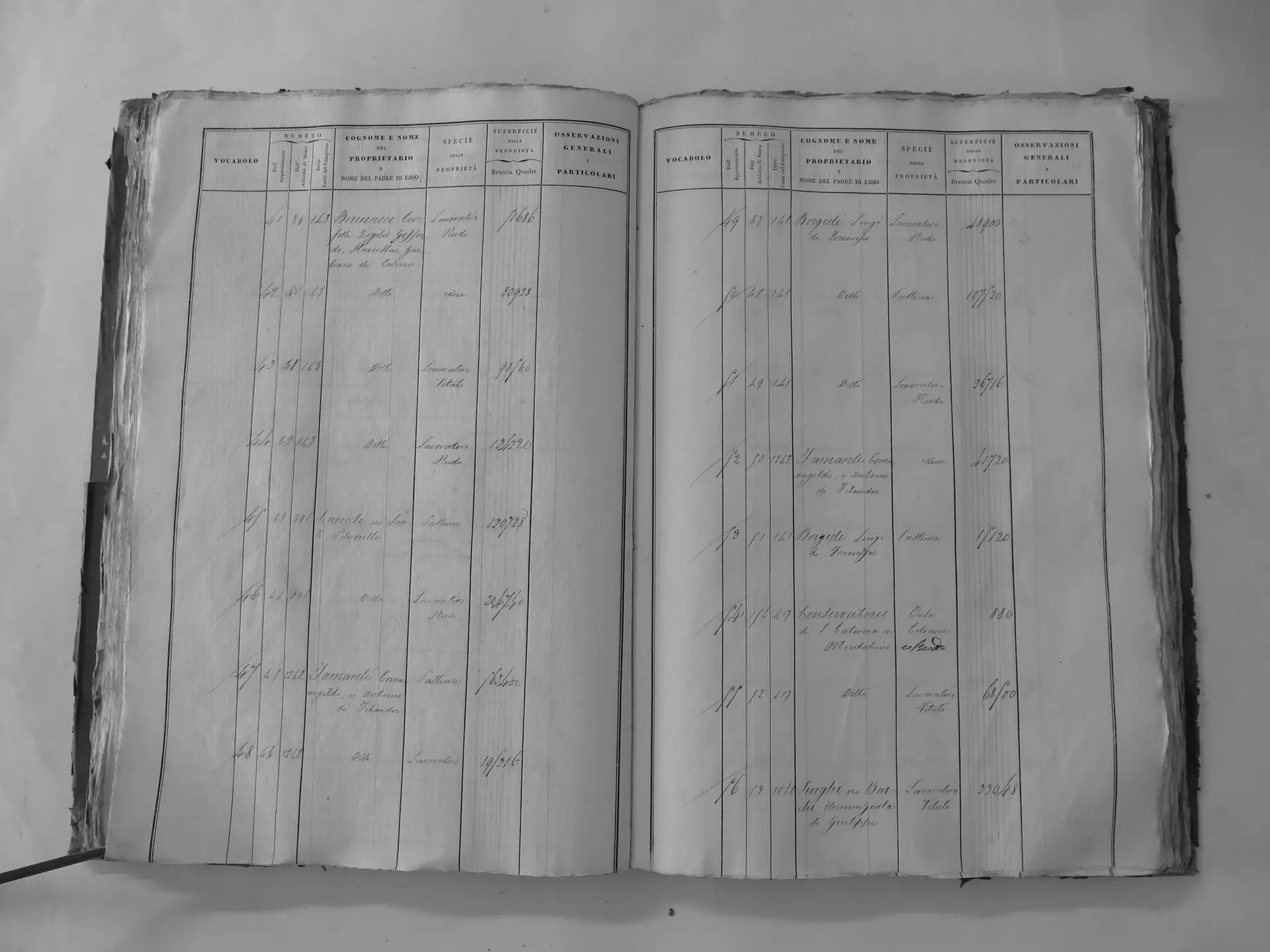
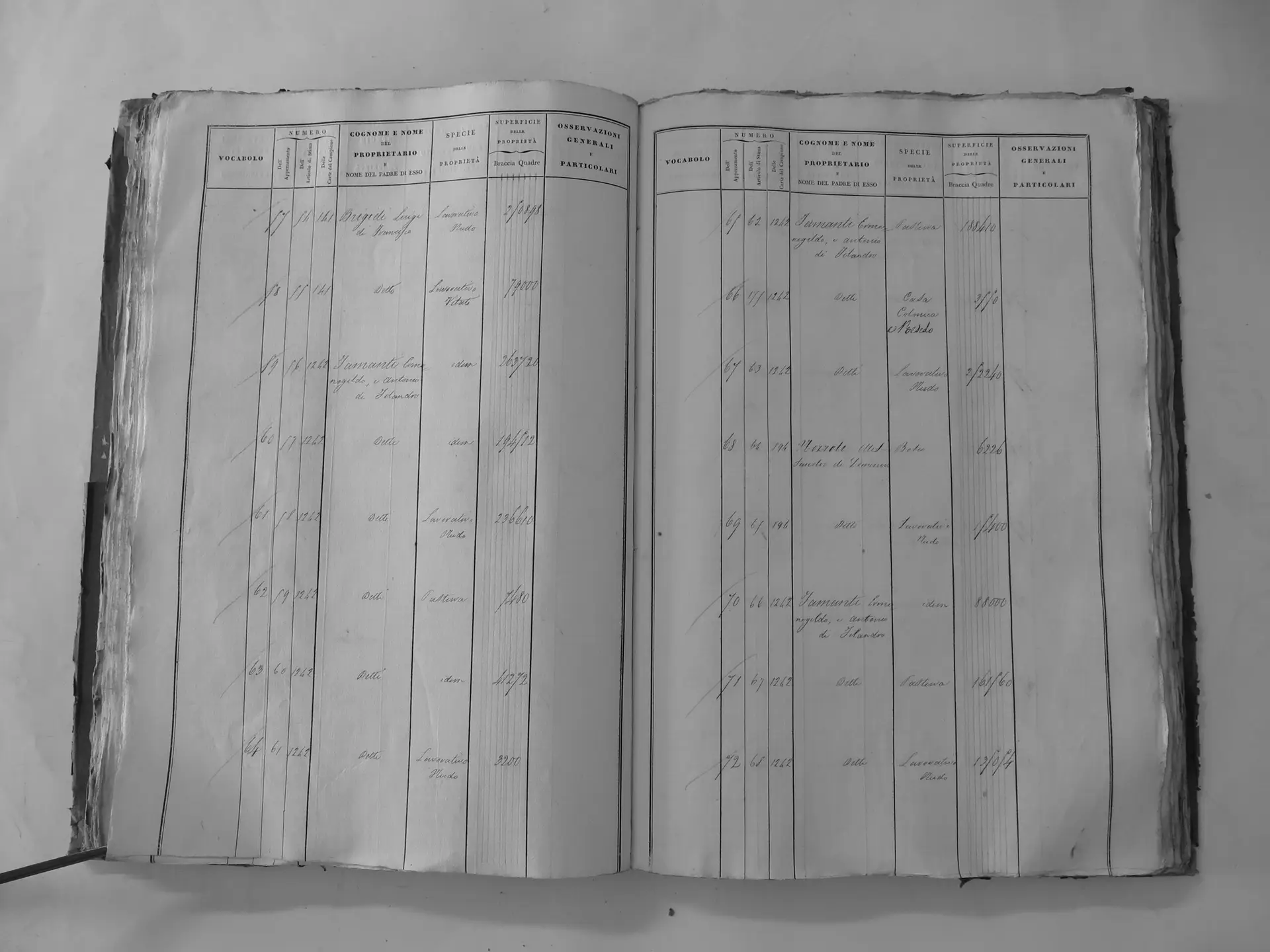
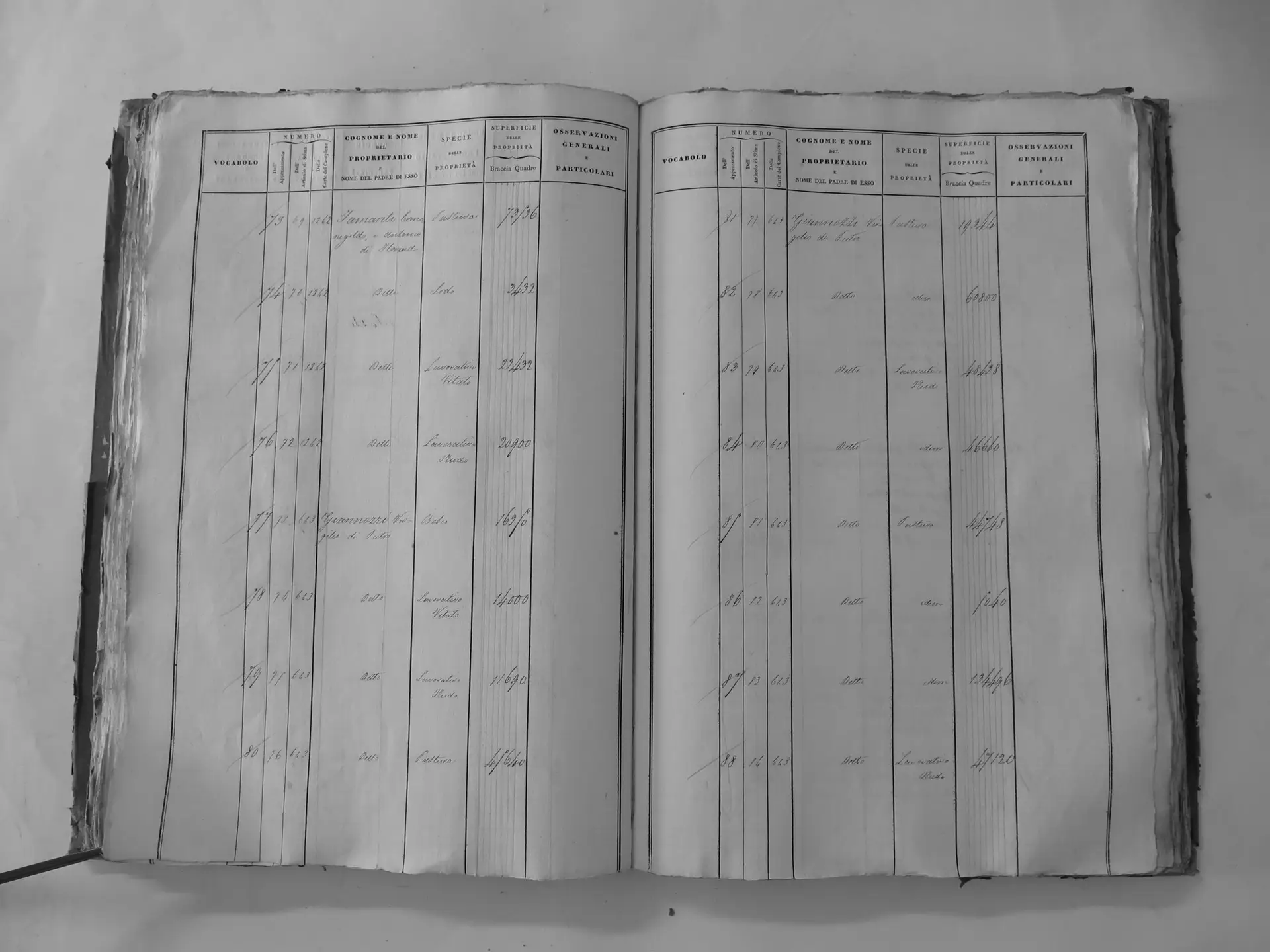
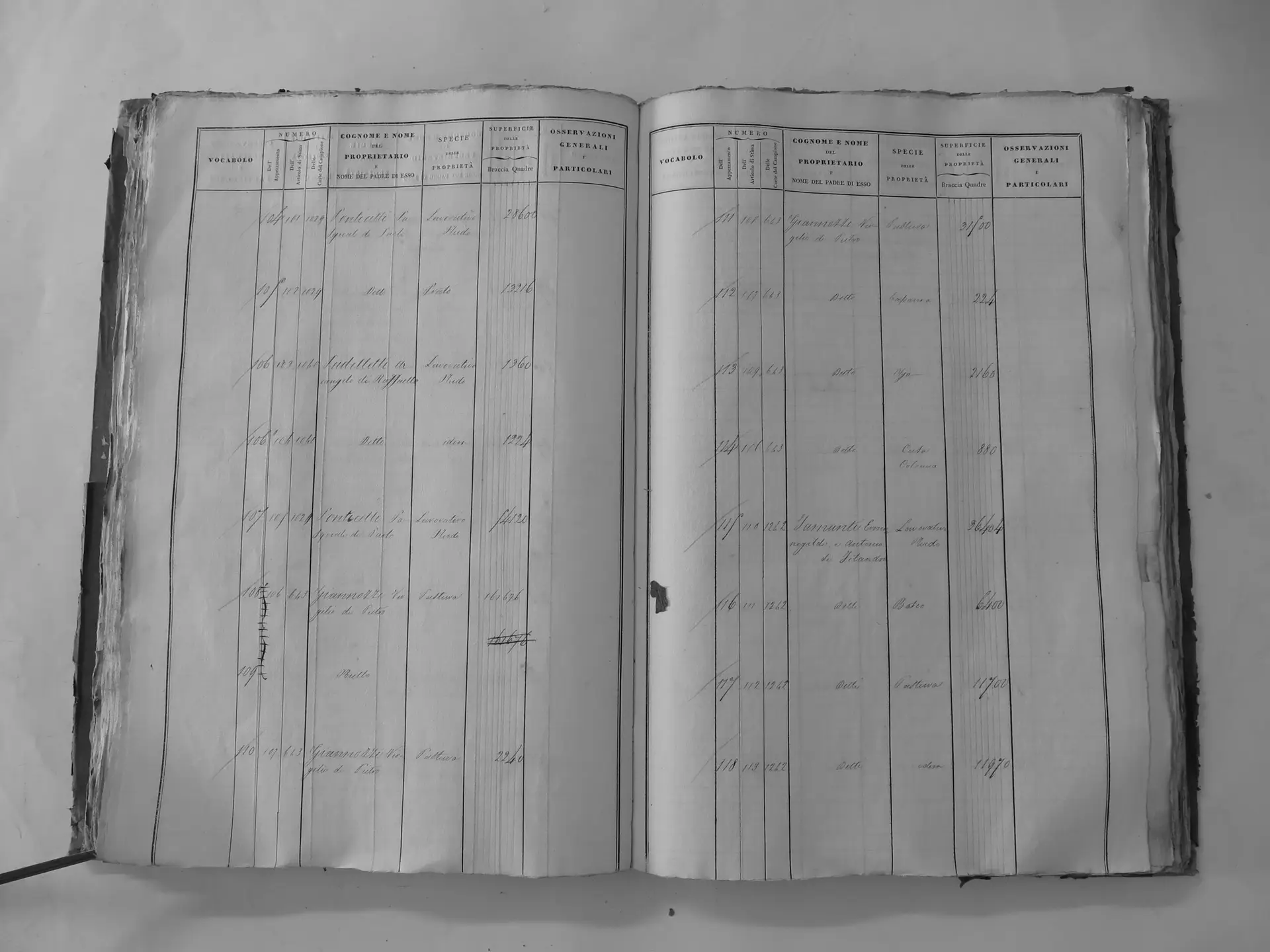
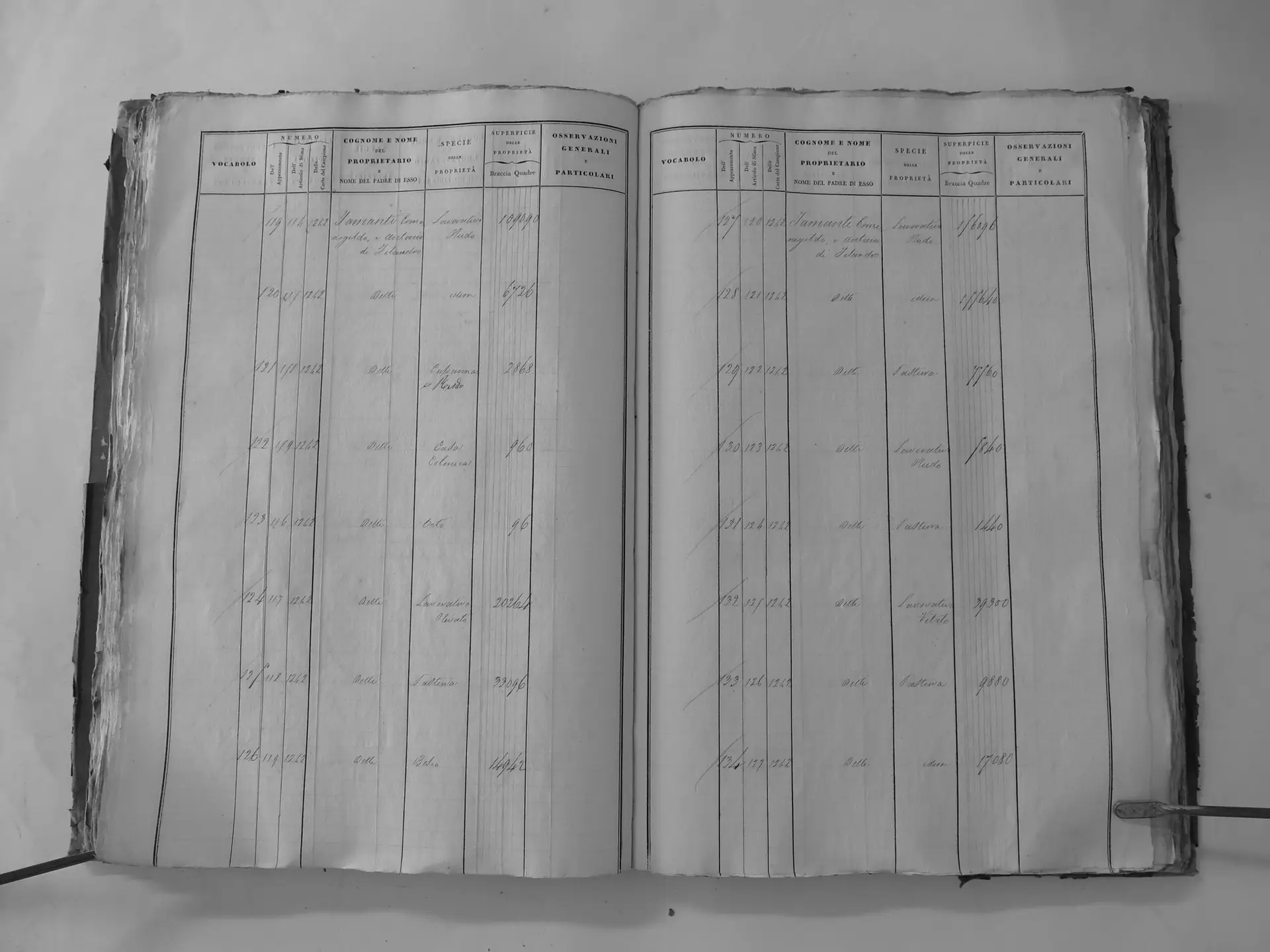
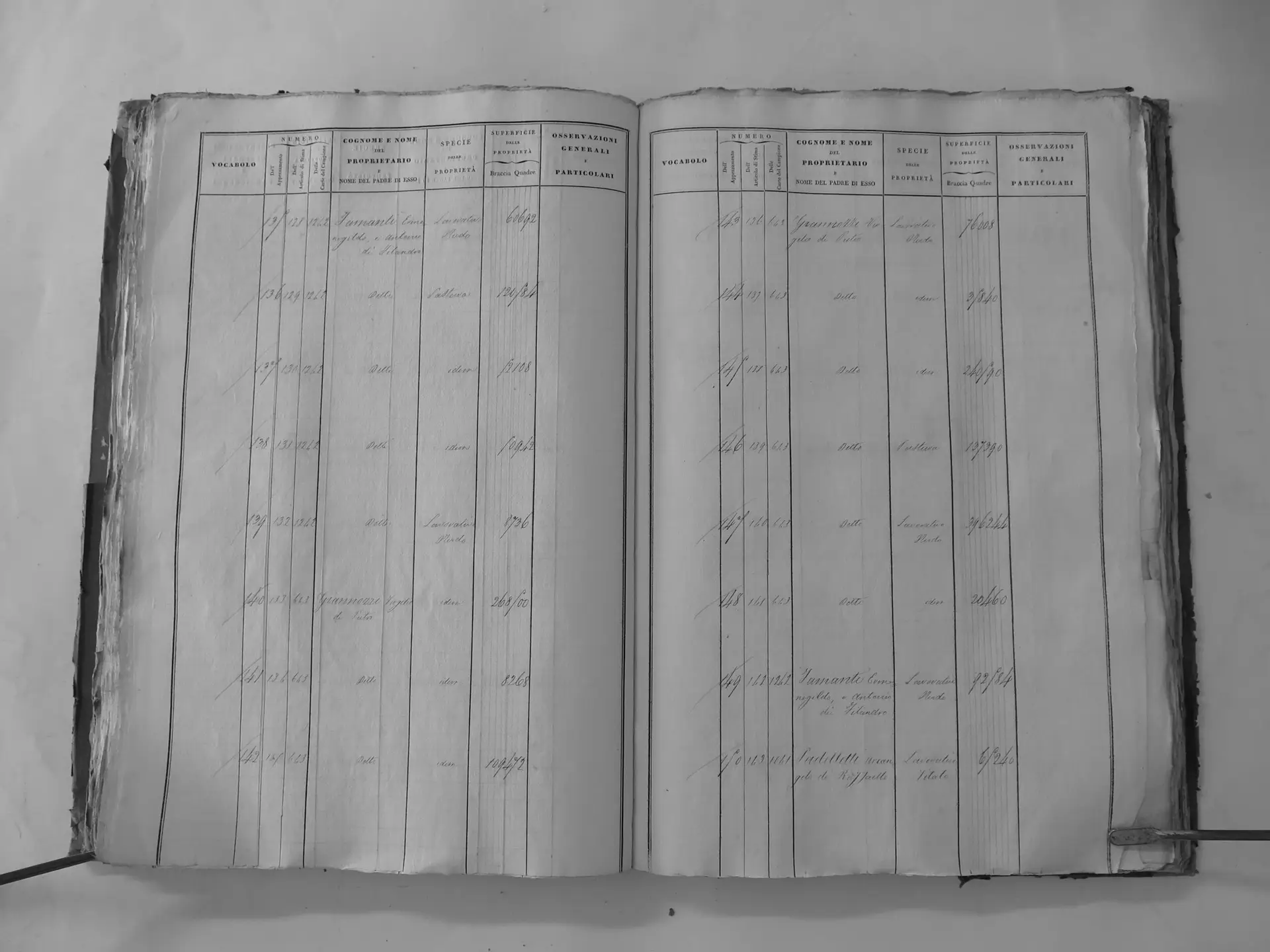
The same podere?
It is tempting to read the two records as one continuous story, with a Tamanti podere at Pelagrilli in 1692 and Tamanti land there in 1820. But the 1692 source names a farm, and the 1820 survey names a cadastral section, which could contain several farms. The two “Tamanti” owners also come from different generations, and no document yet links them. Proving that the same land stayed in the family for more than a century would need the chain of inheritance and transfer between the two dates. Until then, Pelagrilli is a promising lead, not an established line of descent.
Santi neighbours
Petronilla Canali ne’ Santi, the mother of Clemente Santi, held parcels 5–8 and 45–46 in the same section, about 22 hectares of arable land and pasture (Tomo II p. 109, p. 112). That is a separate Santi account. See the Biondi-Santi connection.
Sources on this page
- Catasto Generale della Toscana, Montalcino, Tavole indicative, Pelagrilli (section C′), Tomo II pp. 109–114, 116–118 (CASTORE; linked above)
- Lucia Bonelli Conenna, Il contado senese alla fine del XVII secolo: Poderi, rendite e proprietari (1990), pp. 162–166
- Lucia Carle, La patria locale (1996), Tamanti family tree, p. 292
- Brian Pasch, survey of the Montalcino owner tables and Tamanti–Santi sources table (September 2026)